
While alcohol is often seen as a medium for celebration, social gatherings, and relaxation, it carries a weight that many overlook. Beyond the temporary "high" or social ease, the long-term consequences of alcohol consumption can be devastating. To build a healthier society, we must look past the glass and understand the serious risks involved.
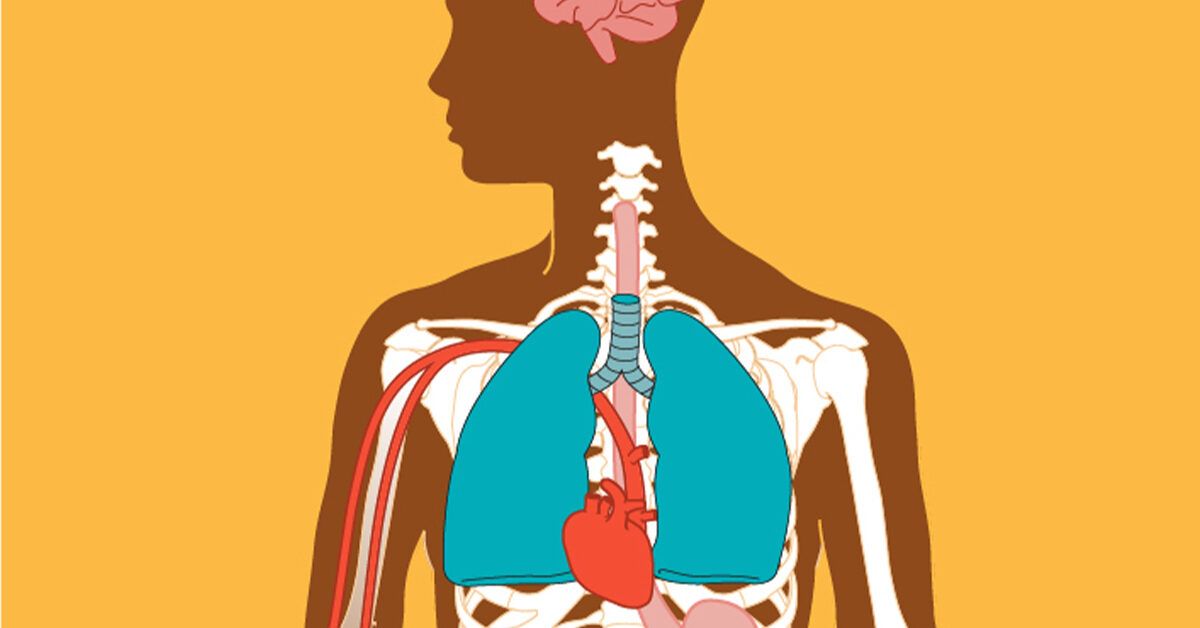
1. The Toll on Physical Health
Alcohol acts as a slow poison for the human body. While it may feel like a tool for "fun," its biological impact is purely destructive.
Organ Damage: Frequent drinking is a leading cause of liver cirrhosis, kidney failure, and permanent brain cell damage.
Chronic Diseases: It significantly increases the risk of high blood pressure, type 2 diabetes, and various forms of cancer (including liver, breast, and throat cancer).
Immune Suppression: Alcohol weakens the body's natural ability to heal, making you more vulnerable to infections and viruses.
2. The Invisible Scar: Mental Health
Many people turn to alcohol to escape stress, but it actually functions as a depressant.
Chemical Imbalance: Alcohol alters brain chemistry, leading to increased anxiety and depression over time.
Cognitive Decline: It impairs memory, focus, and decision-making skills. What starts as a way to "forget" problems often turns into a psychological dependency that is difficult to break.
3. Fraying the Fabric of Family
Alcoholism is rarely a "solo" problem; it is a family crisis.
Financial Strain: The cost of maintaining a drinking habit can drain savings meant for education, health, or housing.
Broken Trust: Alcohol often leads to behavioral changes, causing arguments and emotional distance between spouses, parents, and children. It is a major contributor to domestic instability.
4. Social and Administrative Consequences
A person under the influence often loses their sense of social responsibility.
Public Reputation: Excessive drinking can lead to embarrassing public behavior, damaging one’s professional and social standing.
Legal Troubles: From drunk driving accidents to administrative fines, alcohol is a primary cause of legal complications that can ruin a person’s future career prospects.
5. The Global Perspective (WHO Insights)
According to the World Health Organization (WHO), alcohol is responsible for millions of deaths every year. It isn't just about liver disease; it’s about the road accidents, violence, and pregnancy complications (such as Fetal Alcohol Syndrome) caused by consumption. In many cases, alcohol-related incidents are the leading cause of death among young adults globally.
The Path to Awareness and Recovery
It is important to recognize that while society may normalize drinking, the body does not. Staying healthy and happy requires a conscious choice to prioritize long-term wellness over short-term pleasure.
Conclusion: A Call for a Healthier Life
In conclusion, the "luxury" of alcohol often comes at the cost of one's life and dignity. The problems created by alcohol are deep, complex, and sometimes irreversible. By becoming aware of these negative impacts, we can take the first step toward a stronger, more vibrant society.
Choosing to limit or avoid alcohol is not just a health decision—it is an investment in your family, your career, and your future happiness. Let us build a community where joy is found in health and meaningful connections, rather than in a bottle.